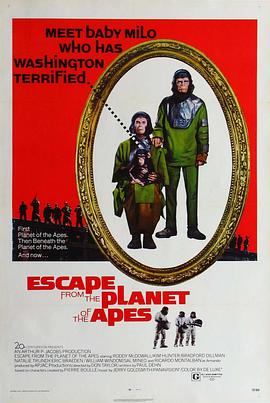
好莱坞早在1968年就拍摄了这一取材于法国作家皮埃尔.鲍李(Pierre Boulle)的著名同名科幻小说的电影,在当时,影片以其构思奇特的情节、精妙真的化装技术以及令人出乎意料甚至颇感震撼的结局而大受欢迎,也催生了其后的四部续集和两部电视剧集的诞生。 影片要素: 两千年后的地球,上校乔治.泰勒(Colonel George Taylor),和他的战友们,以佐斯博士(Dr. Zauis)为首的残暴的星球统治者,善良的同情人类的猿族夫妇兹瑞和考尼斯(Zira and Cornelius)和他们的儿子凯撒(Caesar),猿族,人类 影片资料: 《人猿星球》(Planet of the Apes) 1968年 乔治的飞船误入两千年后的地球并失事,在善良的猿族夫妇兹瑞和考尼斯的帮助下,他逃出了猿族的监牢,但猿族首领佐斯博士并没打算放过他... 《失陷猩球》(Beneath the Planet of the Apes) 1970年 前来搜寻乔治的飞船再次失事在星球上,新加入的战友和乔治联手去阻止猿族对人类的杀戮。 《逃离猩球》(Escape from the Planet of the Apes) 1971年 帮助人类的猿族夫妇兹瑞和考尼斯这回自身难保,他们的飞船坠毁在1973年的地球,人类发现了未来猿族将要统治人类,瑞兹肚里的小猿孩能存活吗?人们将怎么对待他们这对会说话的猿族? 《猩球征服》(Conquest of the Planet of the Apes) 1972年 上集中猿族夫妇最终没能逃脱人类毒手,但他们的孩子凯撒却在善良的马戏团主里卡多(Ricardo Montalban)的保护下长大了,1983年,来自外太空的病毒使猫狗灭绝了,人类开始以会说话的猩猩作为宠物,但他们的遭遇却比猫狗惨得多,1991年,在凯撒的领导下,日益聪明的猿族,即猩猩(Orangutans)、黑猩猩(Chimps)和大猩猩们(Gorillas)联合起来反抗了,人类能镇压这场猿族的革命吗? 《决战猩球》(Battle for the Planet of the Apes) 1973年 2678年,猿族教授在讲述凯撒当年的故事,那是在2015年,猿族中发生叛乱,大猩猩们在将军艾多(General Aldo)的带领下和一群发生变异的人类一同意图推翻凯撒的领导,决战开始了...
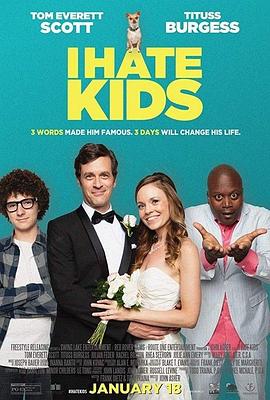
Nick Pearson is a life-long bachelor who is finally settling down. On the brink of his wedding he is surprised to find he has a 13 year old son who has come to find his him through the help of a psychic. The problem is Nick can't stand kids and would happily send the boy back to live with his biological mother, except that no one has any clue who that might be. Having nowhere t...
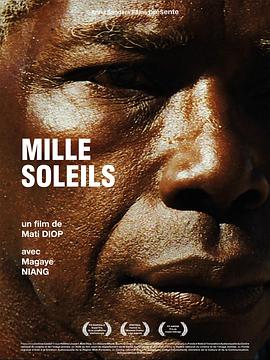
The film accompanies Magaye Niyang, a star of Touki-Bouki, a 1972 classic directed by her own uncle Djibril Diop. Following this path, we are witness of Niyang travel to a special screening of the film, which has a public release in his old town. Niyang seems detached and with a heavy longing from the past, and therefore, the film debris permeates everything with unescapable sorrow and fascination.
Diop film is, first and foremost, a nostalgic travel through memory, time and recreation. It is also a watermark in contemporary experimental documentary, a very intimate portrait of a lost long journey through the past that isn’t returning anymore, a detachment of rejected fame, recognition and connection which is heavily grounded on a legacy that belongs to the past, and that connects directly to a country (Senegal) and its heritage, which is sometimes feel excruciating for the old ones (a testimony such as the taxi scene in the film, where the cab driver longs for changes, and claims that the old generation had done nothing for that).
Mille Soleils (A Thousand Suns) and, in itself, Mati Diop’s crucial talent, should be a point of reference into what could easily be one of the most interesting proposals of hybrid documentary cinema which has come from France, and which deals with a strong African heritage. Since 35 Rhums, where she proved her actress talent, Diop seems like a true promise for the following years of cinema.
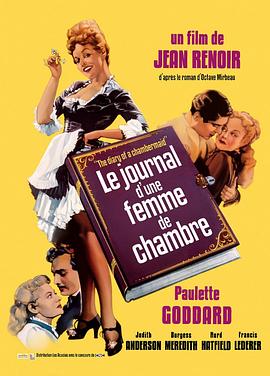
Celestine, the chambermaid, has a new job in the country, at the Lanlaires. She has decided to use her beauty to seduce a wealthy man. But Mr Lanlaire is not a right choice all the house is firmly controlled by Mme Lanlaire, helped by the strange valet Joseph. Then she tries the neighbour, ex-officer Mauger. This seems to work. But soon the son of the Lanlaires comes back. He is young, attractive, and does not share his mother's anti-republicans opinions. So Celestine's beauty attracts Captain Mauger, young Georges Lanlaire, and also Joseph. Three men, from three different social classes, with three different conceptions of life. Will Celestine be able to convince Georges of her sincerity
Will sinister and inflexible Joseph let his views upon Celestine be ruined
A quite disillusioned depiction of humanity.
In impeccable evening dress, Mark Gatiss and Matthew Sweet ponder the Bonds we've seen on screen since Dr. No in 1962.
To date, six actors have portrayed British Secret Service agent James Bond. Which 007 is the best? Was Sean Connery impossible to surpass? Was George Lazenby really that bad? Was Live and Let Die really a blaxploitation movie in disguise?
Gatiss and Sweet consider these and many other questions, and raise a martini in honour of their premium Bond.
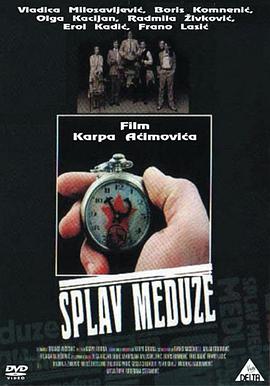
This is a brilliant surrealistic film.
But also a fully realistic story about a time when the brave avant-guarde artists were trying to explore the unknown landscapes of human possibilities.
The contrast between two realities: the poor village and the dadaist artists is shown very smart and brings the possibility of changing the world by the art.
Unfortunately, that progressive ideals of making the world better by revealing new areas of imagination, that ruled in the first half of XX century, were crushed by the war.
And, the tragedy finishes: the artistic ideals are dead, international art brotherhood also, but, as a real disaster: Yugoslavia is also dead, as a country, but as an artistic vision of nation's brotherhood, too.
So, the art falls apart
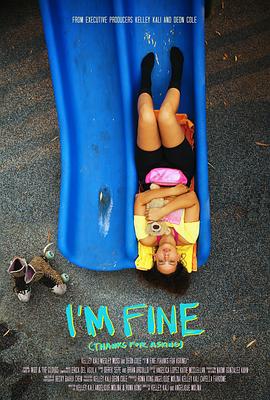
When a recently widowed mother becomes houseless, she convinces her 8-year-old daughter that they are only camping for fun while working to get them off of the streets.